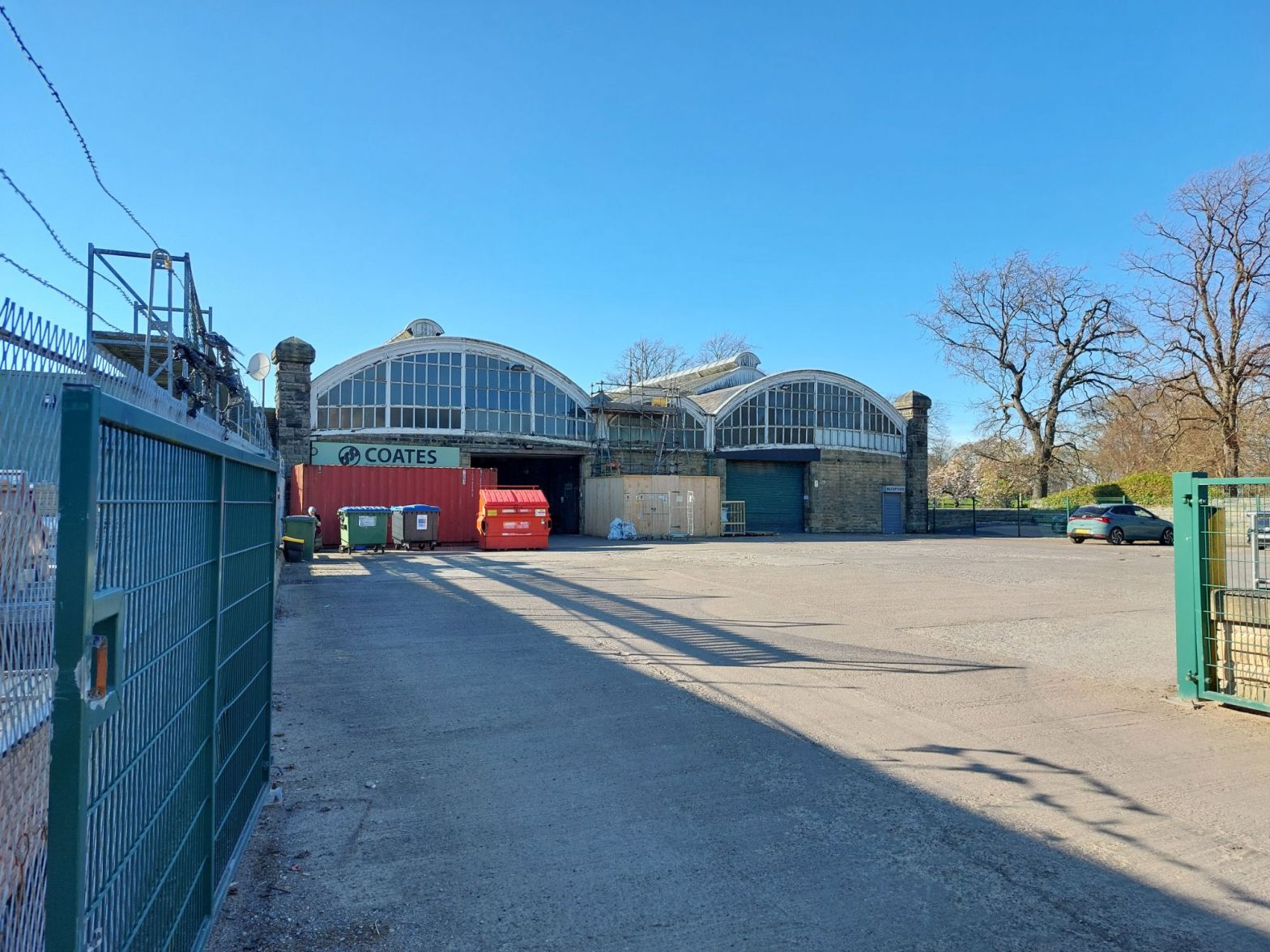
There has been a recent announcement of Keswick has rejoined the national railway network by gaining a ‘virtual railway station’, this essentially meaning Keswick Bus Station being treated as a non-rail connected railway station called ‘Keswick Bus’ on Avanti West Coasts website, allowing the rail company to sell a through ticket, but the journey being train + bus on the ground.
Keswick did once have a rail connection, but this closed in 1972; whilst many plans to reinstate the line have been made, these have not yet come to fruition. Even if the go-ahead and funding was to be given today, it would take a substantial amount of time for rails to reach Keswick again, but a ‘virtual railway station’ is an innovative idea to generate through tickets without trains reaching the town, and put it onto the national network.
In the above article, it states that 750 ‘rail’ tickets had been sold for Keswick Bus in a five month trial period; which whilst being decried by some as a gimmick, is actually more tickets than around 30 other ‘real’ railway stations.
For example, in the last five years, and despite being open since July 1847, Acklington station in Northumberland, sited on the East Coast Main Line has never been that close to selling 750 rail tickets since 2019/20.
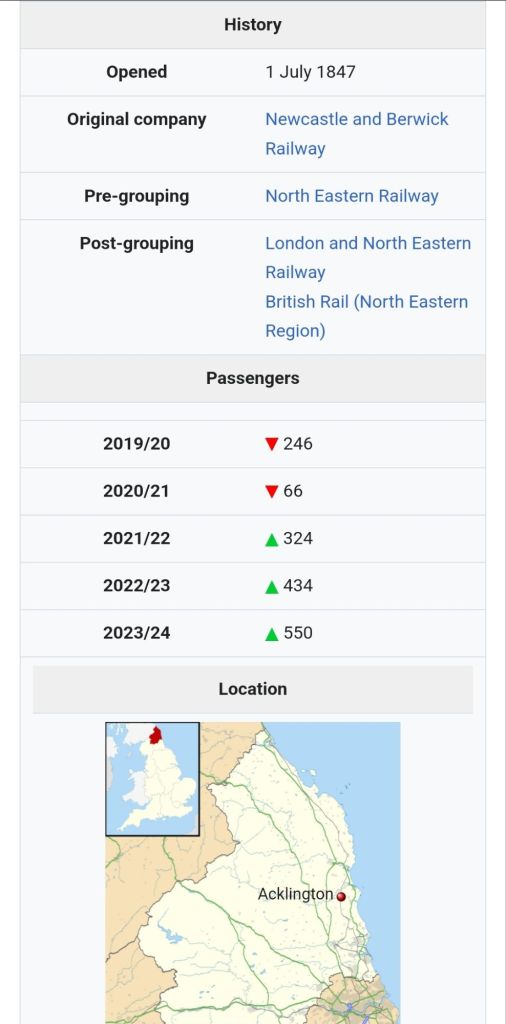
Keswick Bus might not be rail connected, but it isn’t at the bottom of the table despite being relatively novel and new, and as we’ll see below, not nationally recognised which perhaps is part of the problem.
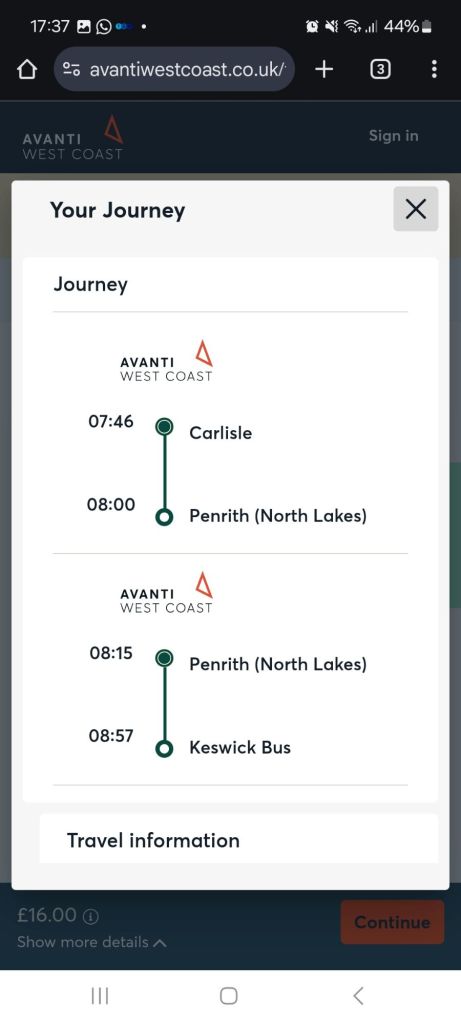
Carlisle to Keswick Bus
As can be seen below, an example booking from Carlisle station to Keswick Bus would mean a train from Carlisle to Penrith (North Lakes), then a bus from Penrith to Keswick.

Expand the virtual railway stations network hard and fast!
This isn’t really a new idea, with Dartmouth station being a classic example of this, where despite being across a river from the nearest railhead, it was possible to buy a through rail ticket to Dartmouth which in modern parlance would be a train + ferry ticket.
In my own view, I think this is an excellent way to drive better integration between rail and bus services, and something I think should be part of a national scheme to roll-out these virtual stations nationwide and give them a solid status under the much anticipated Great British Railways.
National recognition needed
Living in Northumberland, I usually use the LNER app for booking rail tickets, but unfortunately ‘Keswick Bus’ wasn’t available as an option. This is another example of sometimes Victorian levels of friction between different railway companies, manifesting itself in needing to use the Avanti West Coast website to even find Keswick Bus, let alone buy a ticket for it.
In my view, ‘Keswick Bus’ needs added to the national database for ticketing, which surely shouldn’t be too complex as features like the three letter code (KWK) is already shown on the Avanti booking page above.
All ticket vendors, such as LNER, Northern, CrossCountry et al should be able to sell any customer a ticket to Keswick Bus; and end the Victorian level absurdity of having to use the Avanti website (modern equivalent to another companies’ booking office) to then purchase a ticket.
It gets even worse when attempting to buy an Alnmouth to Keswick Bus ticket via Avanti is also not possible, yet London Euston to Keswick Bus can be done. This should be an easy problem to fix, so please let us see it done ASAP.
Virtual Station Roll-out?
Personally, I think that the virtual station system has a lot of merit in connecting places ‘off the network’ once again by using bus connections from the nearest rail station.
As they are bus services, the pricing of the bus leg should be identical to the bus fare for the same route, with the through ticket price reflecting bus + train cost.
A few examples are picked out below; largely within Northumberland as it is the area I’m most familiar with.
Alnwick
On my other campaign page for the Northumberland Coast Loop, I advocated for Alnwick Bus Station to gain a similar classification as Keswick Bus Station. Much like Keswick, Alnwick is a very popular tourist town that draws huge crowds every year to Alnwick Castle, The Alnwick Garden, Lilidorei, and Barter Books amongst others, the latter being one occupant of the former station building.
As can be seen from the photos below however, the former trackbed into the old Alnwick station is now occupied by a number of other businesses, and wluld require heavy earthworks and new bridges to cross both the A1 and A1068 South Road from the reinstated section to Lionheart Station on the Aln Valley Railway.
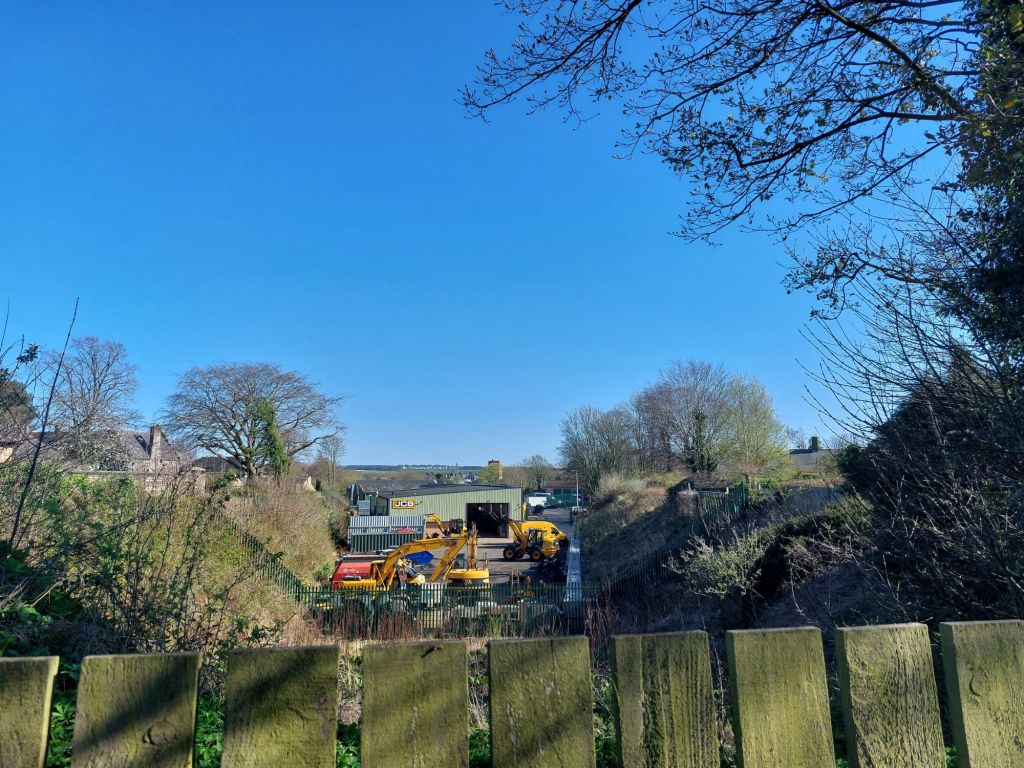
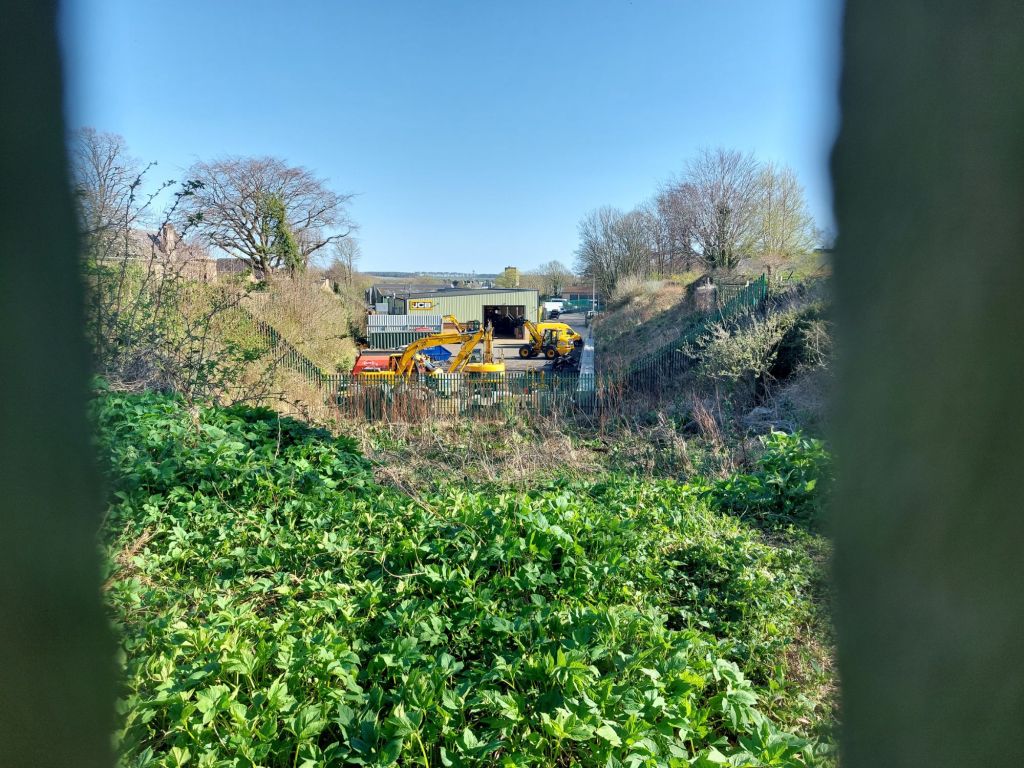
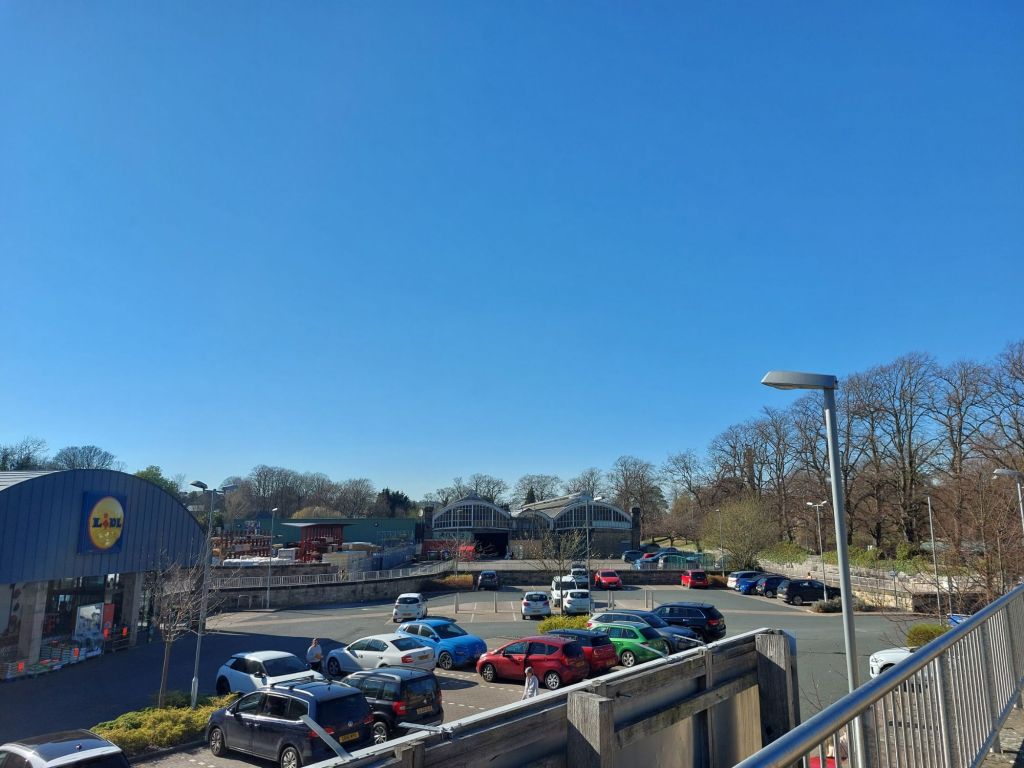
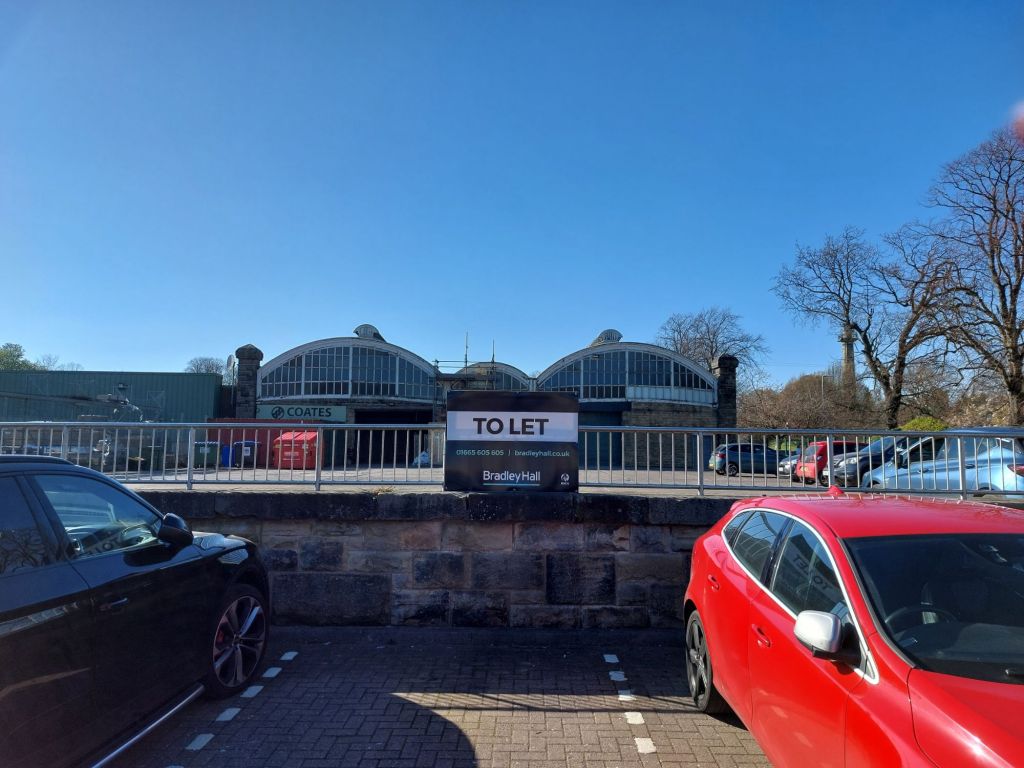

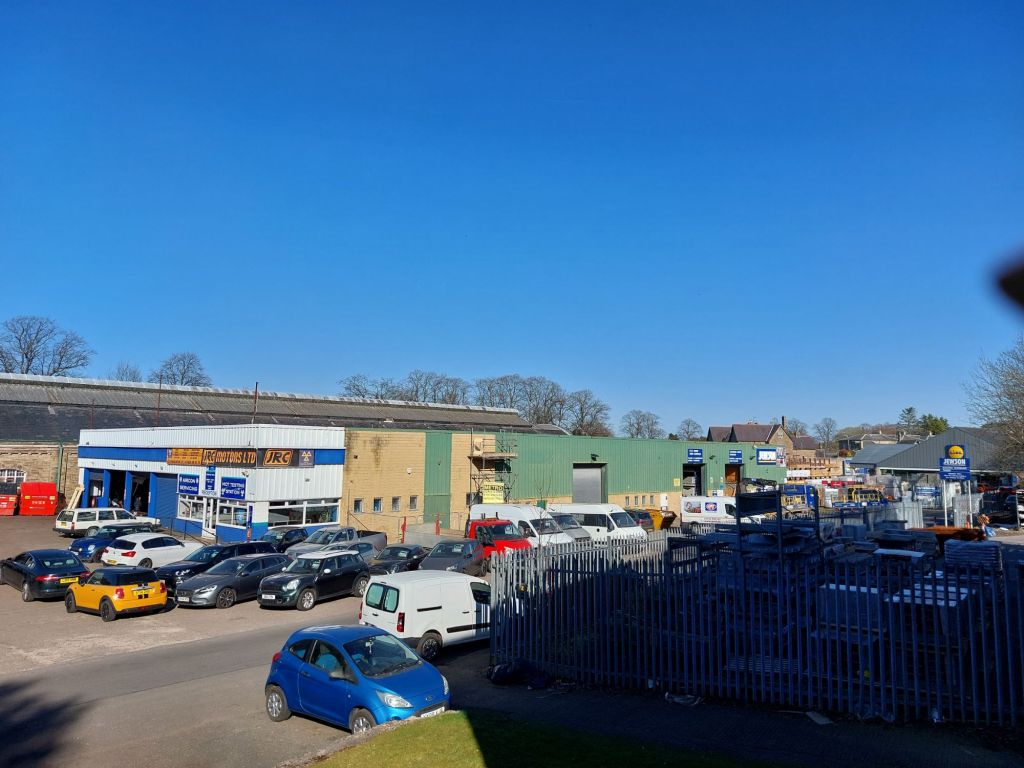
Alnwick would perhaps be one of the clearest contenders to have a ‘virtual station’ like Keswick, as whilst reconnection to Alnmouth for the Aln Valley Railway is taking steps forward, it is unlikely to have a 364 day service (no trains on Christmas Day), but ‘Alnwick Bus’ would likely prove to be a popular choice for many, perhaps beating the 750 Keswick tickets quite readily?
Blyth
Whilst the town of Blyth, Northumberland is gaining two stations on the newly reopened Northumberland Line at Newsham (now open), and Blyth Bebside (yet to open), the town centre area (Blyth proper) isn’t really rail connected, being some distance away from these two stations.
It might make sense therefore for Blyth Bus Station, on Union Street/Bridge Street in the heart of Blyth to be similarly given ‘railway station’ status? This would allow for through tickets to be bought to/from the centre of Blyth to these new stations at Blyth Bebside and Newsham.
A further option that I proposed several years ago was also for Blyth to have a Dartmouth solution, using the railhead just across the Port of Blyth to have a station built on it, and use a ferry across the port to offer a connection; which could help alleviate many of the problems the town has with traffic.
Rothbury & Cragside (National Trust)
This suggestion I’ll put forward due to the popularity of Rothbury as a tourist town, and it being the home to Cragside, a very popular National Trust (NT) property. Indeed on this latter front, a lot of the larger NT properies such as nearby Wallington Hall could possibly benefit from having a nearby ‘virtual’ railway station?
Rothbury lost it’s railway station in November 1963, but it suffered an early closure to passengers in 1952. The Rothbury Branch, coming of the Wansbeck Railway, is a near certainty to remain a disused railway, unlikely to ever see trains running again, but the vast numbers of people visiting Rothbury, and particularly Cragside annually could be better accomodated by integrated public transport rather than reliance on cars.
This could even treated and a bus route extension from Alnwick too, it is an existing bus route, but the added publicity and ticket sales from it being an integrated trip from anywhere in the UK could be of huge benefit.
Consett and Beamish
The suggestion is in Durham, but again an integrated bus route alongside rail services could allow towns such as Consett, and major attractions like Beamish be added to the ‘rail network’, perhaps very fittingly so for a place like Beamish which internally features so much public transport of yesteryear.
This is one route where reinstatement of the actual railway might also be assisted by the opening of ‘virtual railway stations’ along or near the route of the proposed reopening?
It isn’t much of a stretch of the imagination to think that ‘rail’ tickets to Beamish would be a popular option.
Conclusion
All in all, I support the idea of ‘virtual railway stations’ as a way to better integrate bus and rail trips, and bring key towns back onto the national network in a fashion. If done right, and with similar published open data as railway stations have on use per year, it could be a valuable metric to help justify reopening lines too.
For this to work, any virtual railway station needs:
- National recognition to work with all ticket vendors of rail tickets and enable ‘anywhere to anywhere’ ticketing through any website, app or booking office.
- Virtual stations themselves should be given the double arrows branding but with the word ‘Bus’ behind the place name (i.e. Alnwick Bus)
- These stations need to be established for the long-term, and perhaps enshrined in legislation similar to railway stations are, with a defined process for removal of ‘virtual station’ status.
 Ryan Hogg